How to Troubleshoot Common AC Problems Before Calling a Pro
Does your AC sound like it’s running a marathon, but your house still feels like the inside of an oven? Or maybe it’s just gone silent—right when a heat wave hits. We get it. A broken air conditioner can turn a good day into an emergency fast. At Expert Heating Air Conditioning, we know you want fast answers. You want to know if you can fix it yourself or if it’s time to call in emergency HVAC help.
You don’t have to be an HVAC pro to spot some of the most common AC problems. With a clear head, a few minutes, and this guide, you’ll be able to tackle the basics—and know exactly when it’s time to pick up the phone.
AC Not Cooling? 🧊
When your AC isn’t cooling, it’s like having a fridge with the door open—lots of noise, but no chill. Here’s how to trace the problem:
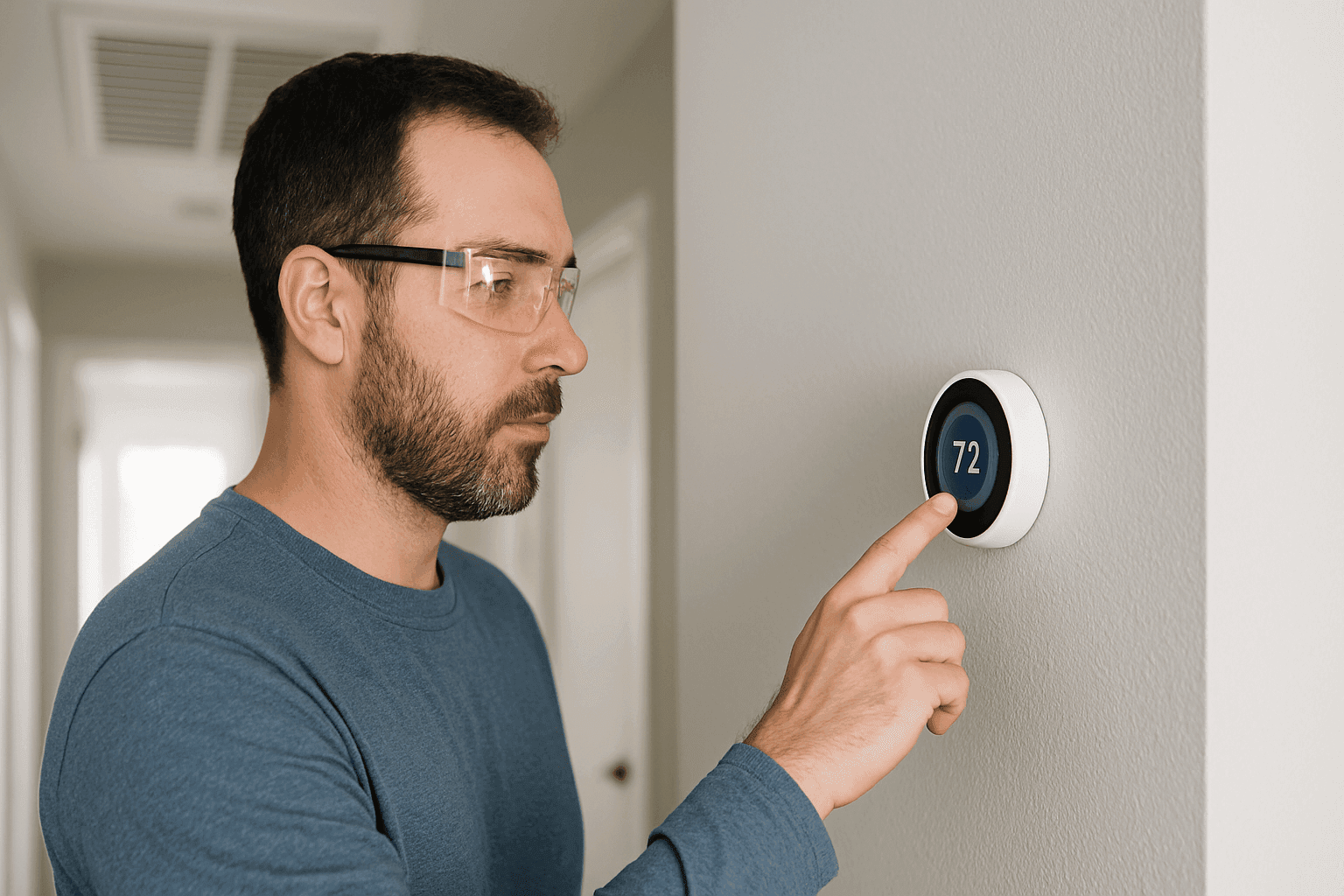
- Is the thermostat set to “cool”? It sounds simple, but double-check. Kids, guests, or even your own elbow can bump the settings.
- Check the vents. Are they blowing warm air? Little to no airflow at all?
- Look at the outdoor unit. Is it running? Covered in leaves or debris?
- Notice any ice on pipes? Frost can mean your system is struggling, often due to blocked airflow or low refrigerant.
Step-by-Step Diagnosis
- Thermostat Check: Set to “cool” and lower the temp by 5 degrees.
- Filter Inspection: A clogged filter is like breathing through a scarf. Replace or clean it if it’s gray and dusty.
- Breaker Box: Flip the breaker for your AC off and then on again. Sometimes they trip during storms or surges.
- Outdoor Unit: Clear away leaves or debris. Make sure nothing blocks airflow.
If these steps don’t restore the chill, don’t keep pushing. Overworking a broken system can turn a small repair into a major one.
Strange Noises or Smells 😬
AC units should hum softly, not bang, hiss, or screech. And they should never smell like burning or mold.
- Banging or clanking: Something might be loose inside.
- Hissing: Could signal a refrigerant leak—never safe to ignore.
- Musty, sour, or burning smells: Mold in ducts or electrical problems.
Safety First
We can’t stress this enough: If you smell burning or see smoke, shut off your system at the breaker and call for emergency HVAC service. If you hear aggressive banging or grinding, turn it off to prevent further damage.
System Won’t Start
Nothing happens when you try to turn on your AC. No fan, no compressor, just silence. This is like turning the key on a car and getting nothing but crickets.
- Power: Start at the thermostat. If it’s blank, it may need batteries.
- Breaker: Check the electrical panel. Reset any tripped breakers.
- Safety Switches: Some systems have a safety switch at the furnace or air handler—make sure it hasn’t been bumped off.
If the system stays dead after these checks, it’s time to call a pro.
Simple Fixes You Can Try
Before you reach for the phone, these quick DIY steps can solve many issues:
- Replace the air filter. Do this every 1–3 months, especially during heavy use.
- Check that all vents are open and unblocked. Furniture or rugs can choke off airflow.
- Make sure the thermostat is on, set to “cool,” and set below the current room temperature.
- Look for ice on the outdoor or indoor lines. If you see frost, turn off the AC and set the fan to “on” to thaw it for several hours.
Safety Tip: Never open panels or attempt electrical repairs yourself. According to the Electrical Safety Foundation International, only licensed professionals should handle wiring or refrigerant.
Quick Safety Checklist
- Turn off power at the breaker before any inspection.
- Never handle refrigerant lines or electrical wires.
- If you smell gas or burning, evacuate and call for help.
- Wear gloves and eye protection if you need to clear outdoor debris.
DIY vs. Call a Pro
Some fixes are safe and easy—like swapping a filter or resetting a breaker. But if you’ve tried the basics and your system still isn’t working, don’t risk it.
Call a professional if:
- The system repeatedly trips breakers.
- You see water pooling around your unit.
- There’s ice on the lines that won’t thaw.
- You hear loud, disturbing noises.
- You smell burning or strong chemical odors.
- The unit won’t turn on, even with power.
Modern AC systems are complex. Sometimes, what looks like a simple problem can point to a hidden issue—like a failing capacitor or refrigerant leak. Only a pro with the right tools and training should handle these.
What Pros Do On Arrival
When you call for emergency HVAC help, here’s what to expect:
- System assessment: Pros check the thermostat, filters, and electrical connections.
- Test safety switches and power supply: They use meters to identify issues.
- Inspect refrigerant levels and pressure.
- Look over motors, fans, and belts.
- Run diagnostics: Find error codes or signs of wear.
The technician will walk you through what they find and explain your options.
Prevention & Maintenance
The best way to avoid emergency HVAC calls? Regular maintenance.
- Change filters regularly. This is the easiest way to keep your system breathing easy.
- Schedule annual inspections. A pro will spot problems before they get big.
- Keep outdoor units clear. Trim plants and clear debris to allow proper airflow.
- Check and clean vents inside.
According to the U.S. Department of Energy, a well-maintained AC can use 15–20% less energy and last years longer.
Costs & Time Factors
Every repair is different, but here’s a general idea:
- Simple DIY fixes: (filter change, thermostat reset) — minutes, minimal cost.
- Professional repairs: (capacitor, refrigerant, major parts) — often 1–3 hours, plus parts and labor.
- Emergency HVAC service: Can be more expensive, especially after hours or during heat waves.
Remember, waiting too long can turn a small issue into a big one, especially during busy seasons.
When It’s an Emergency
Some situations can’t wait:
- No cooling during a heat wave, especially with infants, elderly, or pets at home.
- Electrical smells, sparks, or smoke.
- Water leaking near electrical panels or flooding.
- Any sign of refrigerant leaks (sweet, chemical smell).
If you’re not sure, it’s always safer to call. Your comfort—and safety—come first.
FAQ
Can I run my AC with a dirty filter?
You can, but it’s like jogging with a cloth over your mouth—your system will struggle and may overheat.
Why does my AC freeze up?
Usually from poor airflow (dirty filter, blocked vents) or low refrigerant. Both require attention.
Is it safe to reset breakers myself?
Yes, but only once. If the breaker trips again, call a pro—don’t keep flipping it.
How often should I schedule maintenance?
At least once a year, ideally before the summer rush.
Local & Seasonal Considerations
Summer heat waves and stormy weather can push AC systems to their limits. Power surges can trip breakers. Heavy pollen and dust in spring and fall can clog filters fast—change them more often during these times.
If you’ve just moved into a new home, consider a full home energy audit or indoor air quality (IAQ) test. Many comfort issues come from overlooked duct leaks or insulation gaps.
Don’t sweat through another sleepless night. If you’ve run through these tips and your AC still isn’t keeping up, it’s time for fast, reliable emergency HVAC service.
Call Expert Heating Air Conditioning now — or reach us anytime at 877-719-5324 .