How to Prepare Your HVAC System for Winter Storms and Freezes
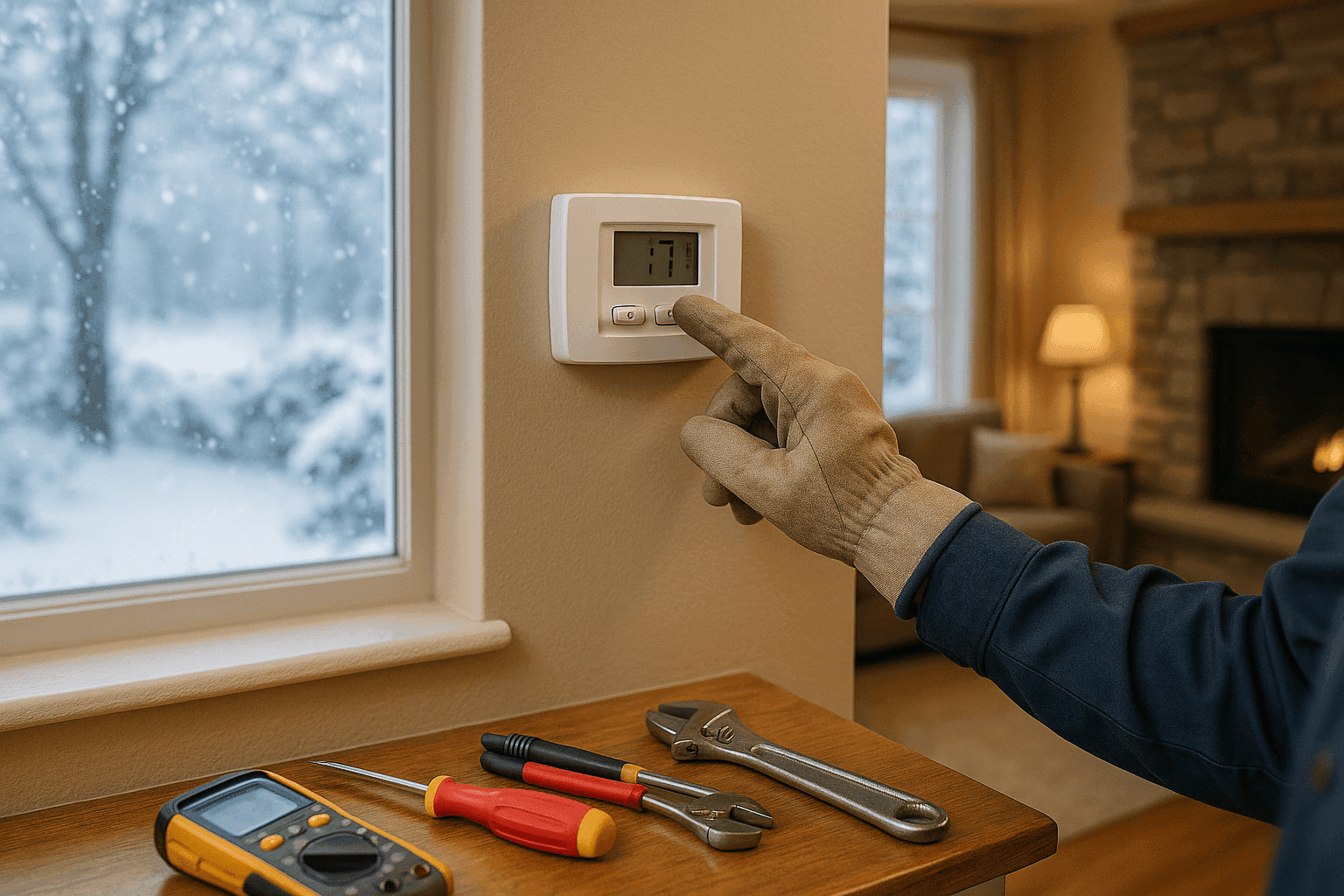
When the cold winds howl and snow starts piling up, your HVAC system becomes the heart of your home or business. Nothing brings comfort—or chaos—quite like a winter storm. At Expert Heating Air Conditioning, we know how quickly a small oversight can turn into a freezing emergency.
Let’s walk through the steps you need to take before, during, and after winter storms to keep your space warm, safe, and running smoothly. Whether you’re a homeowner or a small business owner, these tips will help you avoid costly breakdowns and stressful calls for emergency hvac help.
Why Winter Preparation Matters ❄️
Winter storms are more than just an inconvenience—they can be a real threat to your comfort and safety. Picture this: the temperature drops, snow blankets your roof, and suddenly your furnace sputters out. Pipes freeze, indoor air turns stale, and your family or customers are left shivering.
Here’s what’s at stake if your HVAC system isn’t ready for harsh weather:
- Frozen pipes: When your heating system fails, water in pipes can freeze and burst, causing expensive damage.
- System breakdowns: Cold snaps put extra strain on furnaces and heat pumps. If something’s worn or dirty, it’s more likely to fail.
- Poor indoor air quality: Sealed-up buildings in winter trap dust, allergens, and stale air.
- Safety hazards: Malfunctioning heaters can cause carbon monoxide leaks or electrical issues.
According to the U.S. Department of Energy, regular HVAC maintenance before winter is one of the best ways to prevent emergencies and improve efficiency.
Pre-Winter HVAC Maintenance Checklist
Think of your HVAC system like a car. Would you set out on a cross-country road trip without checking the oil or tires? Winter storms are that road trip—only colder. Here’s your must-do checklist before the first freeze:
- Schedule a professional inspection: Have a certified technician check your furnace, heat pump, and all safety controls.
- Replace or clean filters: Dirty filters make your system work harder and can lead to breakdowns.
- Test and calibrate your thermostat: Make sure it’s reading temperatures accurately and responding quickly.
- Seal and insulate ducts: Leaky ducts are like holes in your winter coat—heat escapes, and your system strains to keep up.
- Clear and inspect vents: Blocked or dirty vents reduce airflow and efficiency.
- Check carbon monoxide detectors: Replace batteries and test alarms for safety.
- Clean around outdoor units: Remove leaves, snow, and debris to prevent blockages.
- Review your emergency hvac contacts: Have your technician’s number handy in case something goes wrong.
A little time spent on this list can save you from chilly nights and costly repairs.
Protecting Your System During Storms
When a winter storm is on the horizon, it’s time to batten down the hatches. Here’s how to shield your HVAC system from the worst:
Prepare for Power Outages
- Install or maintain a backup generator: A properly installed generator can keep essential systems running during outages. Make sure yours is serviced and ready.
- Know your system’s reset procedures: If the power flickers, you may need to reset your furnace or thermostat. Check your owner’s manual for instructions.
- Unplug sensitive electronics: Protect thermostats and other controls from power surges.
Keep Air Moving
- Set your thermostat to a steady temperature: Avoid big swings to reduce strain on your system.
- Keep interior doors open: This helps heat circulate and prevents cold spots.
Emergency Contacts
- Post emergency numbers: Keep your emergency hvac technician’s contact info visible near your thermostat or breaker panel.
- Know basic troubleshooting: Sometimes, a tripped breaker or blocked vent is an easy fix. But if you smell gas or see sparks, evacuate and call for help immediately.
Signs Your Heating System Needs Repair Before Winter
Don’t wait for the first snowstorm to find out your furnace is on its last legs. Watch for these red flags:
- Strange noises: Banging, rattling, or squealing can mean loose parts or failing bearings.
- Uneven heating: Cold rooms or weak airflow signal duct or blower problems.
- Frequent cycling: If your furnace turns on and off too often, it could be overheating or have a faulty thermostat.
- Unusual smells: Musty, burning, or rotten egg odors are warning signs.
- Rising energy bills: A sudden spike means your system is working overtime.
If you notice any of these, call for professional help before winter hits hard.
Expert Safety and Energy Efficiency Tips
Staying warm shouldn’t mean sky-high bills or safety risks. Here’s how to heat smarter, not harder:
- Upgrade to a programmable thermostat: Set schedules to lower heat when you’re away or asleep.
- Add insulation: More attic or wall insulation keeps warmth inside where it belongs.
- Seal windows and doors: Drafty gaps are like leaving a window cracked all winter.
- Schedule duct cleaning: Clean ducts improve airflow and indoor air quality.
- Consider air scrubbers or humidifiers: These can make your space feel warmer and healthier without cranking up the heat.
- Follow manufacturer’s maintenance guidelines: Refer to your system’s manual or standards from organizations like ASHRAE (American Society of Heating, Refrigerating and Air-Conditioning Engineers).
Emergency HVAC: What to Do When the Heat Goes Out
Sometimes, even with the best prep, things go sideways. Here’s what to do if your heat suddenly fails during a storm:
- Stay calm: Panicking won’t warm things up.
- Check the basics: Is the thermostat set to “heat”? Is the breaker tripped? Are filters clean?
- Bundle up: Layer clothing and use extra blankets to stay warm.
- Seal off unused rooms: Focus on keeping a small area warm.
- Use safe heating alternatives: Never use ovens or grills indoors. Electric space heaters are okay if used safely.
- Call for emergency hvac service: Don’t wait—call a professional who offers 24/7 emergency service.
Frequently Asked Questions
How often should I replace my furnace filter in winter?
Check your filter every month during heavy use. Replace it if it looks dirty, or at least every 1–3 months.
Can I do my own HVAC maintenance?
You can handle simple tasks like changing filters and clearing vents. But inspections, repairs, and anything involving gas or electricity should be left to professionals.
What’s the best way to prevent frozen pipes?
Keep your heat set above 55°F, insulate pipes in unheated areas, and let faucets drip slightly during deep freezes.
How do I know if my generator is ready for winter?
Test-run your generator before cold weather hits. Make sure it’s fueled, serviced, and located outside to prevent carbon monoxide buildup.
Special Considerations for Winter HVAC Care
- Commercial buildings: If you own a small business, make sure your HVAC system can handle extended hours and higher occupancy during storms.
- Indoor air quality: Winter means closed windows and less ventilation. Consider IAQ testing or installing air scrubbers to keep air fresh.
- Geothermal and radiant systems: These require specialized checks before winter. Make sure your technician is trained for your system type.
- Sheet metal and ductwork: Cold weather can cause metal ducts to contract and leak. Have them inspected for gaps or rust.
- Whole-house fans and attic ventilation: These should be sealed or covered in winter to prevent heat loss.
Preparation is the best defense against winter’s bite. With the right steps, you can keep your home or business cozy, safe, and energy-efficient all season long.
Call Expert Heating Air Conditioning now — or reach us anytime at 877-719-5324 .