How to Prepare Your HVAC System for Power Outages and Storms
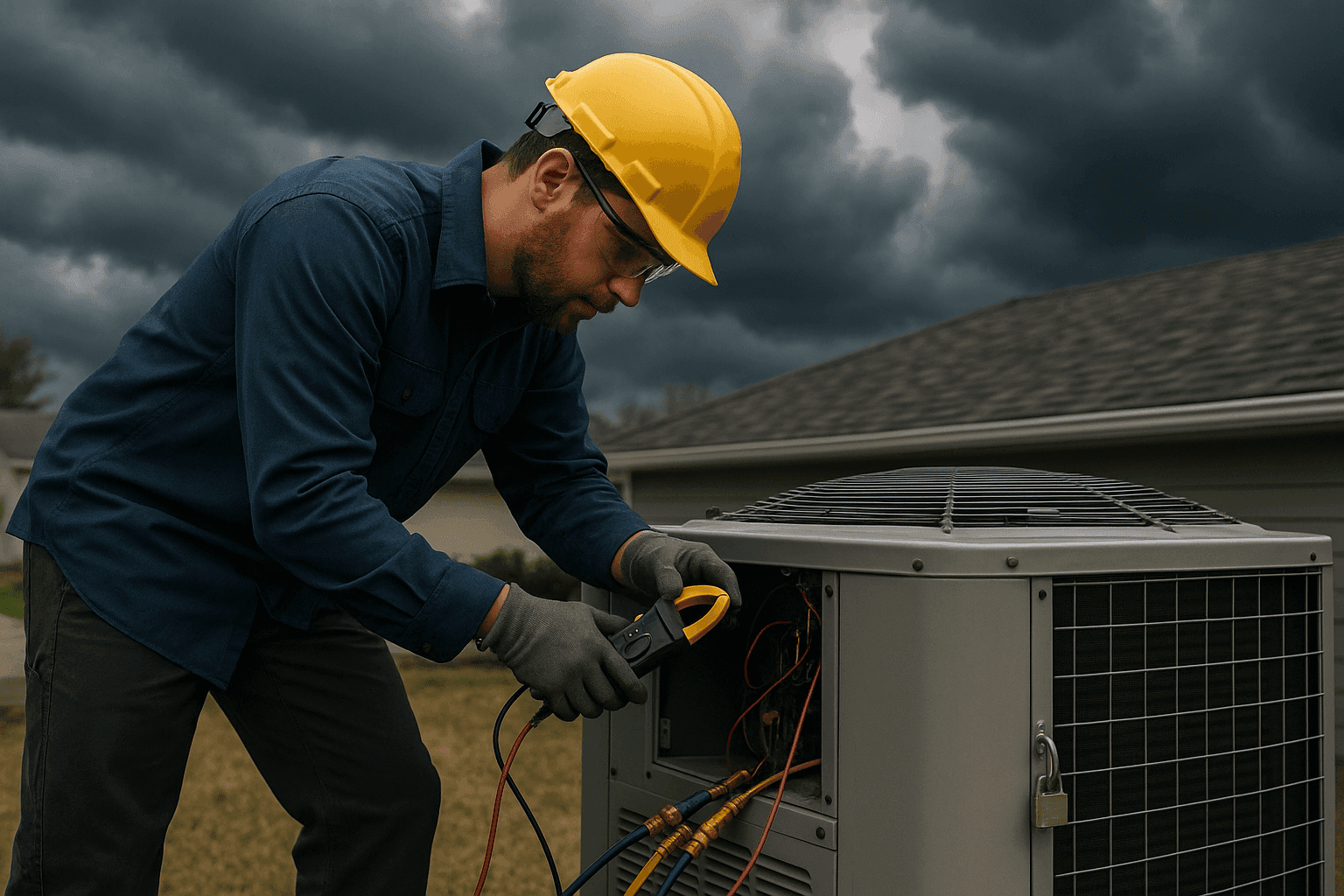
When the sky darkens and the wind picks up, your first thought is often about safety—family, pets, home. But what about your HVAC system? One big storm or a sudden power outage can leave you sweating, shivering, or worrying about costly repairs.
At Expert Heating Air Conditioning, we know how quickly emergencies can strike. Preparation is the key to protecting your comfort, your investment, and your peace of mind.
Understanding Risks During Power Outages and Storms ⚡
Storms don’t just rattle the windows—they can put your entire heating and cooling system at risk. Power surges, lightning strikes, and flooding can all spell trouble for HVAC equipment. Here’s what can happen:
- Electrical Surges: Sudden loss or return of power can fry sensitive components.
- Flooding: Water can damage outdoor condensers, furnaces, and ductwork.
- Debris: Flying branches and wind-blown objects can block or dent outside units.
- Prolonged Outages: Extended downtime means humidity, mold, and poor air quality indoors.
According to the National Fire Protection Association (NFPA), electrical failures are a leading cause of home fires. Protecting your HVAC system isn’t just about comfort—it’s about safety, too.
Essential HVAC Maintenance Before Storm Season
Think of your HVAC like a car before a long road trip. You wouldn’t hit the highway without a tune-up, right? Here’s how to get your system storm-ready:
1. Change or Clean Air Filters
A clogged filter chokes your system, making it work harder. Before storm season, swap in a fresh filter or clean your reusable one. This helps airflow and keeps dust at bay.
2. Schedule Professional Inspections
A certified technician can spot worn wires, loose connections, or hidden leaks. Annual inspections are recommended by the Air Conditioning Contractors of America (ACCA) and can catch small problems before they become emergencies.
3. Clear Debris and Secure Outdoor Units
Trim back shrubs and remove anything that could blow into your outdoor AC unit. Secure the unit if high winds are expected—some people use straps or covers, but always follow manufacturer guidelines.
4. Duct Cleaning and Sealing
Dusty, leaky ducts spread allergens and waste energy. Cleaning and sealing ducts keeps your system efficient and your air healthy, especially when you’ll be keeping windows closed during storms.
5. Test Thermostats and Batteries
If your thermostat runs on batteries, replace them. Make sure it’s programmed for energy savings in case you need to leave the house.
Backup Power Solutions for HVAC Systems
Ever been stuck in a blackout, wishing you had a magic switch to bring the AC back? That’s where backup power comes in.
Why Install a Generator?
A professionally installed generator can power your HVAC, fridge, and lights when the grid goes down. Here’s why it matters:
- Keeps Comfort Steady: No more sweating or freezing during outages.
- Protects Equipment: Prevents sudden shutdowns that can damage compressors or motors.
- Maintains Air Quality: Keeps air moving, reducing mold and stagnant air.
The Electrical Safety Foundation International (ESFI) recommends using generators that are properly sized and installed by licensed professionals to avoid backfeeding and fire hazards.
Generator Maintenance Tips
- Run It Monthly: Let your generator run for 10–15 minutes every month to keep it ready.
- Check Oil and Fuel: Top off fluids and keep fuel fresh.
- Test Automatic Transfer Switches: Make sure your system switches on seamlessly.
- Schedule Annual Service: Like any engine, generators need regular checkups.
Emergency HVAC Safety Tips During Outages
When the lights flicker and go out, don’t panic. Here’s how to keep your HVAC safe and your home comfortable:
1. Turn Off Your System
If you know a storm is coming, shut down your HVAC at the breaker. This protects it from surges when power returns.
2. Don’t Force a Restart
When power comes back, wait 10–15 minutes before turning your HVAC on. Let the system stabilize to prevent electrical damage.
3. Adjust Thermostat Settings
Set your thermostat a few degrees higher in summer or lower in winter before the outage. This helps maintain comfort for longer if power is lost.
4. Avoid Using the System if Flooded
If you suspect water has entered your furnace or AC, don’t turn it on. Call a professional to inspect for safety.
5. Call for Emergency HVAC Service
If your system won’t start, smells odd, or sparks fly, get help fast. Emergency hvac technicians are trained for urgent repairs—don’t risk DIY fixes during a crisis.
Actionable Checklist: Preparing Your HVAC for Storms
- Change filters and clear vents
- Schedule a professional inspection
- Secure and clear debris from outdoor units
- Test generator and backup power systems
- Replace thermostat batteries
- Know how to turn off your system at the breaker
- Keep emergency hvac contact info handy
Insights from the Field: What Our Technicians See
Our technicians have seen it all—units fried by lightning, flooded furnaces, even nests built inside outdoor compressors after a storm. Here’s what they recommend:
- Stay proactive. Regular maintenance is your best defense.
- Don’t ignore odd noises or smells. These are warning signs.
- Document your system. Take photos of your setup and serial numbers for insurance.
When to Call the Pros
Some things are best left to trained hands. Call a professional if:
- You see sparks, smoke, or smell burning
- Water has entered your HVAC or ductwork
- The system won’t restart after power returns
- You’re unsure how to safely operate your generator
Emergency hvac teams are available 24/7 for a reason—your safety comes first.
Preventive Steps: Long-Term Protection
Want to go the extra mile? Consider these upgrades:
- Surge Protectors: Installed on your HVAC to shield against power spikes.
- Whole-Home Dehumidifiers: Keep humidity in check during outages.
- Smart Thermostats: Monitor and control your system remotely.
- Regular Energy Audits: Find weak spots and improve efficiency.
The U.S. Department of Energy recommends annual HVAC maintenance and energy audits to boost safety and savings.
Costs & Time Factors: What to Expect
- Filter changes: Fast and affordable—usually minutes and under $50.
- Duct cleaning: Takes a few hours, varies by home size.
- Generator installation: A few hours to a day, depending on complexity.
- Emergency repairs: Response times vary, but 24/7 service means help is always a call away.
Remember, investing in preparation costs less than emergency repairs or system replacement.
When It’s an Emergency
If your home is without heat in freezing weather, or without AC during a heatwave, it’s an emergency. Vulnerable family members—infants, elderly, or those with medical needs—may be at risk. Don’t wait. Call for emergency hvac service immediately.
FAQ: Power Outages, Storms, and Your HVAC
How do I know if my HVAC is damaged after a storm?
Look for signs like strange noises, burning smells, or a system that won’t start. If in doubt, call a professional for an inspection.
Can I run my AC or furnace on a portable generator?
Only if the generator is properly sized and connected by a licensed electrician. Never plug your HVAC directly into a portable generator—it’s dangerous and can damage your system.
How often should I service my generator?
At least once a year, plus monthly test runs. Check your manufacturer’s guidelines for details.
What should I do if my HVAC floods?
Turn it off at the breaker and call for emergency hvac service. Using a flooded system can be hazardous.
Special Considerations for Homeowners and Small Business Owners
- Business owners: Protect inventory and sensitive electronics with backup climate control.
- Homeowners: Keep pets and family comfortable, even during long outages.
- Indoor air quality: Outages can trap pollutants. Air scrubbers and regular filter changes help keep air fresh.
Preparation isn’t just about weathering the storm—it’s about bouncing back faster, safer, and with less stress.
Call Expert Heating Air Conditioning now — or reach us anytime at 877-719-5324 .