How to Optimize Your HVAC System for Energy Savings Year-Round
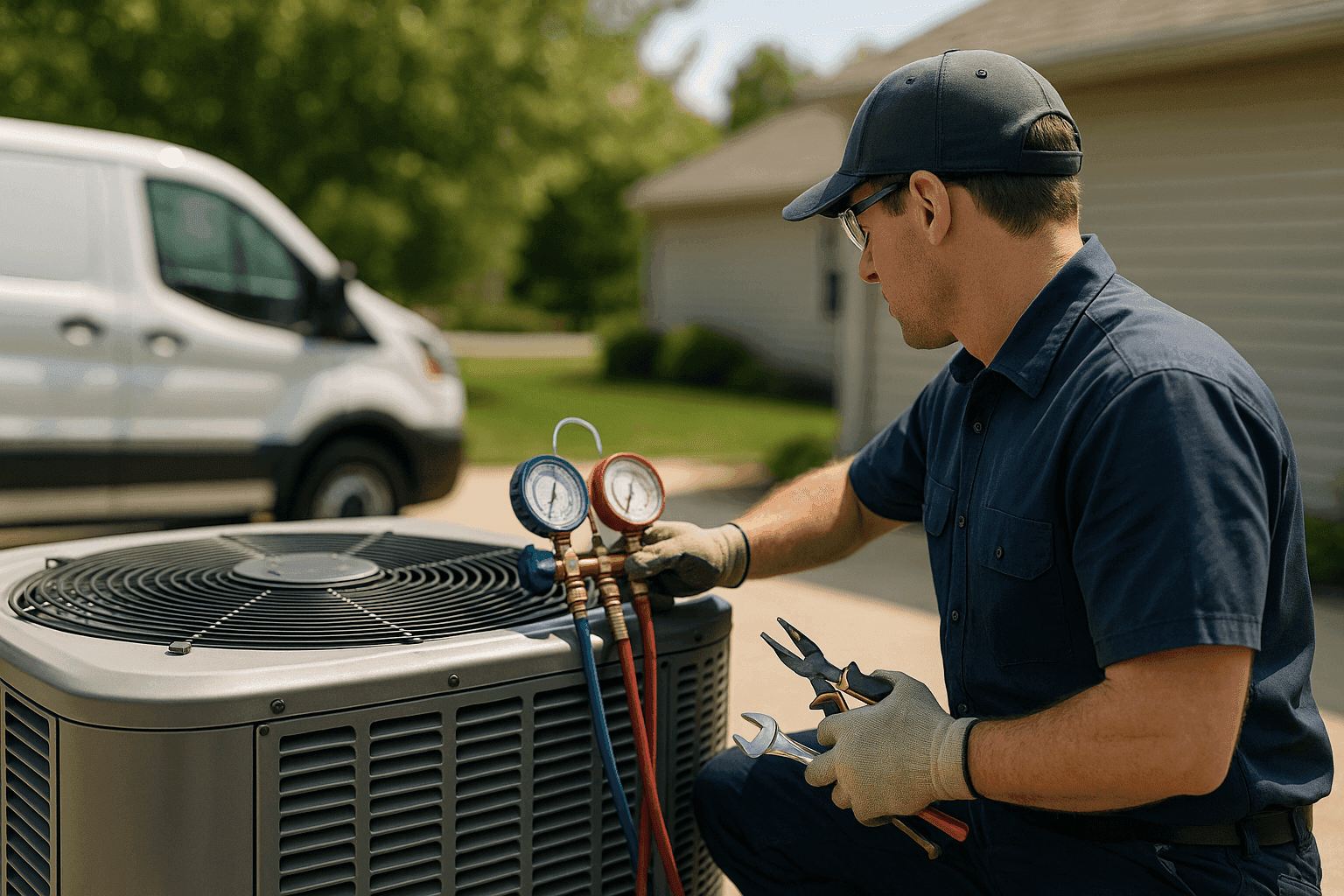
Staring at your energy bill and wondering where all that money went? You’re not alone. Every year, homeowners and small business owners watch costs climb—especially when temperatures swing from one extreme to the next. At Expert Heating Air Conditioning, we know that a well-tuned HVAC system is like having a reliable friend: always there when you need comfort, but never demanding more than necessary.
Let’s break down how to get the most out of your heating and cooling system—no matter the season. Lower bills, cleaner air, and peace of mind are closer than you think.
Why Energy Efficiency Matters
Think of your HVAC system as the heart of your indoor environment. When it’s running efficiently, everything just feels right—comfortable, quiet, and affordable. But when it’s struggling, it’s like running a marathon with a backpack full of rocks.
Energy-efficient systems don’t just save you money. They reduce wear and tear, cut down on emergency hvac calls, and help the planet by using less power. According to the U.S. Department of Energy, heating and cooling account for nearly half of the energy use in most homes. Small changes can make a big dent in your monthly expenses and your carbon footprint.
Quick Safety Checklist Before You Start 🛑
Before you roll up your sleeves or call in the pros, make sure you’re safe:
- Turn off power to your HVAC system at the breaker before any maintenance.
- Check for gas smells or signs of electrical issues—if you notice anything unusual, call a professional immediately.
- Wear gloves and a dust mask when handling filters or cleaning ducts.
- Keep flammable materials away from furnaces, heaters, and outdoor AC units.
- Always follow manufacturer instructions and safety guidelines from sources like the Occupational Safety and Health Administration (OSHA).
Regular HVAC Maintenance: The Foundation of Efficiency
Just like a car needs oil changes and tune-ups, your HVAC system needs routine care. Skipping maintenance is like ignoring the “check engine” light—problems only get worse.
What You Can Do:
- Replace filters every 1–3 months. Dirty filters choke airflow, making your system work harder and use more energy.
- Clear debris around outdoor units. Leaves, grass, and dirt can block airflow and reduce efficiency.
- Vacuum vents and registers. Dust buildup makes your system sluggish.
- Listen for strange noises. Rattling, banging, or whistling can mean trouble.
What a Pro Will Handle:
- Deep cleaning coils and burners.
- Checking refrigerant levels and electrical connections.
- Inspecting for leaks or worn parts.
- Calibrating thermostats for accuracy.
Routine maintenance not only improves efficiency but also extends the life of your equipment—saving you from costly emergency hvac breakdowns.
Filter Replacement: The Simple Fix That Pays Off
Air filters are the unsung heroes of your HVAC system. They trap dust, pollen, and other particles, keeping the air clean and your system running smoothly.
- Set a reminder to check filters monthly. Even if they look clean, replace them at least every three months.
- Choose the right filter for your needs. Higher MERV ratings capture more particles, but can restrict airflow if your system isn’t designed for them.
- Don’t forget specialty filters. If you have pets, allergies, or live in a dusty area, you may need to replace filters more often.
A clogged filter is like trying to breathe through a pillow. Keep it fresh, and your system will thank you—with lower bills and cleaner air.
Smart Thermostat Settings: Small Tweaks, Big Savings
Thermostats are the brain of your HVAC system. Setting them wisely is one of the easiest ways to save energy.
- Set your thermostat to 68°F in winter and 78°F in summer when you’re home.
- Lower the temperature 7–10 degrees for eight hours a day (like when you’re asleep or away). According to ENERGY STAR, this can save up to 10% a year on heating and cooling.
- Upgrade to a programmable or smart thermostat. These devices learn your schedule and adjust automatically—no more forgetting to turn the heat down before bed.
A smart thermostat is like cruise control for your comfort—steady, efficient, and always on your side.
Duct Sealing and Cleaning: Stop Leaks, Breathe Easier
Leaky or dirty ducts are like holes in your wallet. Up to 30% of conditioned air can escape through gaps and cracks, according to the U.S. Department of Energy.
Signs Your Ducts Need Attention:
- Uneven temperatures in different rooms.
- Excessive dust or musty odors.
- High energy bills with no clear cause.
What You Can Do:
- Seal visible gaps with foil-backed tape (never duct tape).
- Vacuum accessible ducts and vents.
When to Call a Pro:
- If you suspect hidden leaks, mold, or pests.
- For professional-grade duct cleaning and sealing with mastic or aerosol-based solutions.
Clean, sealed ducts deliver every bit of comfort you’re paying for.
The Power of a Professional Home Energy Audit
Think of a home energy audit as a checkup for your entire house. Certified technicians use tools like blower doors and infrared cameras to find leaks, insulation gaps, and inefficiencies you can’t see.
Benefits:
- Pinpoint where energy (and money) is slipping away.
- Get a prioritized list of upgrades with the best return on investment.
- Identify hidden issues like poor insulation, leaky windows, or outdated equipment.
The U.S. Department of Energy recommends an audit before making major upgrades. It’s the smartest way to target improvements for maximum savings.
Seasonal Tips: Prepare for Summer and Winter
Your HVAC system has different needs as the seasons change—like swapping boots for sandals.
Spring & Summer:
- Clean around outdoor AC units and trim plants at least two feet back.
- Schedule a professional AC tune-up before the first heat wave.
- Check insulation on refrigerant lines.
- Use ceiling fans to help circulate cool air.
Fall & Winter:
- Change furnace filters before the heating season.
- Test your carbon monoxide detectors.
- Inspect and seal windows and doors.
- Reverse ceiling fan direction to push warm air down.
A little prep before the seasons shift means fewer surprises—and fewer emergency hvac calls.
Upgrading to Energy-Efficient Equipment
Sometimes, the best way to save is to upgrade. Old systems can be energy hogs, costing you more every month.
High-Efficiency Options:
- Programmable and smart thermostats: Automate savings.
- Mini-split systems: Perfect for additions, garages, or rooms that never seem comfortable.
- Geothermal systems: Use the steady temperature underground to heat and cool with minimal energy.
- High-efficiency furnaces and air conditioners: Look for ENERGY STAR labels and high SEER (Seasonal Energy Efficiency Ratio) or AFUE (Annual Fuel Utilization Efficiency) ratings.
Upgrading can feel like a big step, but the long-term savings and improved comfort are worth it.
DIY vs. Call a Pro: Knowing Your Limits
There’s plenty you can do yourself—like changing filters, clearing vents, and adjusting thermostats. But some jobs require a trained hand.
DIY Tasks:
- Changing filters.
- Cleaning vents and registers.
- Checking thermostat programming.
- Clearing debris from outdoor units.
When to Call a Professional:
- Annual maintenance and inspections.
- Duct cleaning and sealing.
- Refrigerant issues or leaks.
- Electrical or gas concerns.
- Upgrading thermostats or installing new equipment.
Trying to fix complex issues on your own can be risky—and sometimes makes things worse. When in doubt, reach out to a certified technician.
What Pros Do On Arrival
When you schedule a visit with Expert Heating Air Conditioning, here’s what to expect:
- Thorough inspection: Checking all components for wear, leaks, and safety issues.
- System testing: Measuring airflow, refrigerant levels, and thermostat accuracy.
- Professional cleaning: Coils, burners, and blowers get the attention they need.
- Recommendations: Honest advice on repairs, upgrades, or adjustments for better performance.
Industry standards from organizations like the Air Conditioning Contractors of America (ACCA) guide our process—so you know it’s done right.
Prevention & Maintenance: Your Year-Round Plan
A little attention goes a long way. Here’s how to keep your system humming, season after season:
- Set a regular maintenance schedule. Mark your calendar for filter changes and professional checkups.
- Keep vents and returns clear. Furniture, rugs, and curtains can block airflow.
- Watch for warning signs. Strange noises, odd smells, or sudden spikes in your energy bill mean it’s time for a checkup.
- Don’t ignore small problems. They rarely fix themselves—and often get worse.
A well-maintained system is less likely to need emergency hvac repairs, and will keep you comfortable year-round.
Costs & Time Factors: What to Expect
Every home and business is unique, so costs and timelines vary. Here’s a general idea:
- Filter changes: 5–10 minutes, cost varies by filter type.
- Professional maintenance: 1–2 hours, typically once or twice a year.
- Duct cleaning or sealing: A few hours to a full day, depending on system size.
- Upgrades: Installation times range from a few hours (thermostats) to several days (geothermal systems).
Investing in maintenance and efficiency now can save hundreds—or even thousands—over the life of your system.
When It’s an Emergency 🆘
Sometimes, things go wrong at the worst possible moment. If your system stops working in extreme heat or cold, or you notice burning smells, strange noises, or water leaks, it’s time to call for emergency hvac service.
Signs of an emergency:
- No heat in winter or no cooling in summer.
- Electrical sparks, burning, or gas odors.
- Water pooling around the system.
- Loud, sudden noises or complete system shutdown.
Don’t wait—safety and comfort come first. Our team is available 24/7 to help you out of a jam.
FAQ: Common Questions About HVAC Efficiency
How often should I schedule professional maintenance?
Most systems benefit from a checkup once or twice a year—ideally before the heating and cooling seasons.
Will upgrading my thermostat really save money?
Yes! Programmable and smart thermostats can cut energy use by automatically adjusting settings when you’re away or asleep.
Can dirty ducts really affect my energy bills?
Absolutely. Leaks or heavy dust buildup force your system to work harder, raising costs and lowering air quality.
What’s the best way to improve indoor air quality?
Start with regular filter changes and duct cleaning. Consider adding air scrubbers, humidifiers, or dehumidifiers if needed.
Special Considerations for Homeowners and Small Business Owners
Every building is different. If you run a business, you may have special ventilation needs or equipment running around the clock. Homeowners might want to focus on comfort, air quality, and keeping family members healthy.
- Small businesses: Consider regular after-hours maintenance to avoid disrupting operations. Air balancing and hood/exhaust installation can also improve comfort and safety in kitchens or workshops.
- Homeowners: Ask about indoor air quality testing, whole-house fans, and home energy audits for a tailored approach.
No matter your needs, keeping your HVAC system optimized is a smart investment in comfort, health, and long-term savings.
Ready to make your HVAC system work smarter, not harder? Call Expert Heating Air Conditioning now — or reach us anytime at 877-719-5324 .