How to Improve Indoor Air Quality Year-Round
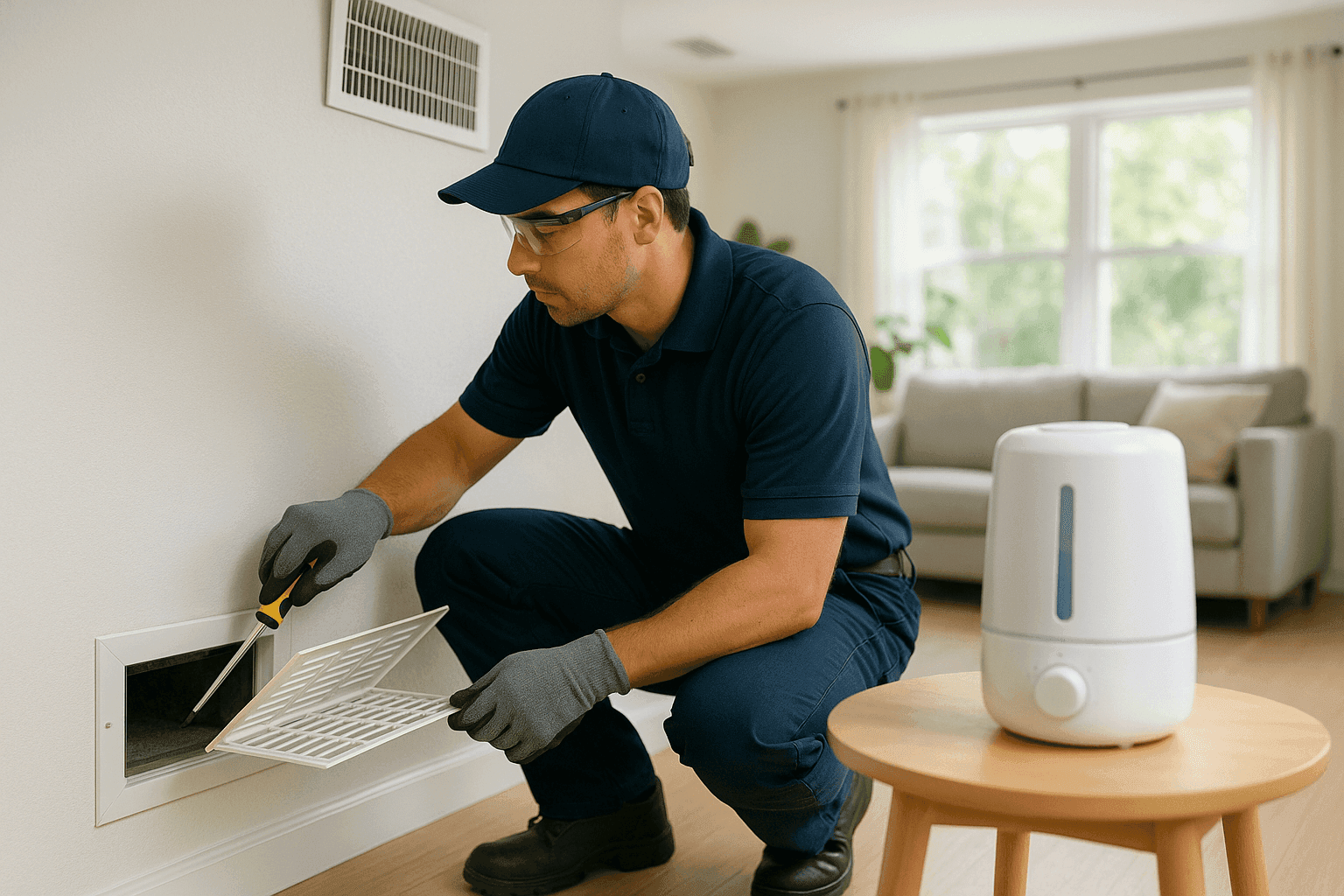
Is the air in your home or business as clean as it could be? For many, indoor air quality (IAQ) is an invisible concern—until allergies flare, dust coats every surface, or the air just feels heavy. At Expert Heating Air Conditioning, we know that clear, fresh air is as vital as a good night’s sleep. And when it’s not right, you notice.
Let’s dive into how you can keep your indoor air feeling like a breath of fresh air, no matter the season. Whether you’re managing a busy household or a small business, these strategies will help you breathe easier all year.
Why Indoor Air Quality Matters
Imagine your lungs as a filter. Every breath pulls in particles—dust, pollen, pet dander, even invisible gases. The EPA reports that indoor air can be two to five times more polluted than outdoor air. For those with asthma, allergies, or other respiratory issues, poor IAQ can turn simple tasks into uphill battles.
But it’s not just about health. Poor air quality can make your space feel stuffy or musty, and can even impact productivity and sleep. Clean air, on the other hand, feels like opening a window on a crisp morning—refreshing, energizing, and comfortable.
Quick Safety Checklist for Better IAQ 🛑
Before making big changes, start with these essentials:
- Change HVAC filters regularly (every 1–3 months)
- Keep vents and registers clear of furniture and dust
- Schedule professional duct cleaning if you notice visible dust, mold, or odors
- Run kitchen and bathroom exhaust fans during and after use
- Check for water leaks or signs of mold growth
- Test for carbon monoxide and radon as recommended by the EPA
- Avoid smoking indoors
Simple steps, big difference.
Choosing the Right Air Filter
Your HVAC filter is the gatekeeper for your air. Not all filters are created equal. Look for the MERV (Minimum Efficiency Reporting Value) rating—higher numbers mean finer filtration. For most homes and small businesses, MERV 8–13 is ideal. Anything higher can restrict airflow unless your system is designed for it.
- Fiberglass filters: Cheap, but catch only the big stuff.
- Pleated filters: Trap smaller particles like pollen and pet dander.
- HEPA filters: Capture the tiniest particles, but check if your system can handle them.
Check your filter every month. If it looks dirty, replace it. It’s like changing the oil in your car—neglect leads to breakdowns.
The Benefits of Duct Cleaning
Picture your air ducts as the lungs of your building. Over time, dust, debris, and even mold can build up, especially if filters aren’t changed regularly. According to the National Air Duct Cleaners Association (NADCA), ducts should be cleaned every 3–5 years, or sooner if you notice:
- Persistent dust, even after cleaning
- Musty odors when the system runs
- Visible mold inside ducts
- Recent renovations or construction
Professional duct cleaning removes buildup, improves airflow, and helps your HVAC system run more efficiently. It’s not a cure-all, but when combined with good filtration, it’s a solid step toward healthier air.
Air Scrubbers, Humidifiers, and Dehumidifiers
Think of air scrubbers as vacuum cleaners for your air. They use advanced filters and UV light to remove particles, odors, and even some germs. These are especially helpful for allergy sufferers or anyone concerned about viruses and bacteria.
- Humidifiers add moisture in dry winter months, preventing nosebleeds and dry skin.
- Dehumidifiers pull excess moisture from the air in summer, stopping mold and dust mites in their tracks.
Aim for indoor humidity between 30% and 50%. Too dry, and you’ll feel it in your throat and skin. Too damp, and you risk mold and musty odors.
IAQ Testing: Finding Hidden Pollutants
Sometimes, the biggest threats are the ones you can’t see or smell. That’s where professional IAQ testing comes in. Using specialized equipment, technicians measure:
- Particulate matter (dust, pollen, smoke)
- Volatile organic compounds (VOCs) from cleaning products or paints
- Carbon monoxide and carbon dioxide levels
- Mold spores and bacteria
The results pinpoint issues and guide your next steps. The EPA recommends testing for radon and carbon monoxide as part of regular safety routines.
Seasonal Tips for Year-Round Clean Air
Winter: Heating Season
- Change filters more often—heaters run longer, pulling more air (and dust) through the system.
- Use a humidifier to balance dry air from heating.
- Watch for condensation on windows—a sign of excess humidity.
Summer: Cooling Season
- Run a dehumidifier to keep moisture in check.
- Use exhaust fans to remove cooking and shower steam.
- Keep windows closed on high-pollen days.
Spring & Fall
- Schedule HVAC maintenance and filter changes before switching modes.
- Open windows on mild days for natural ventilation—just be mindful of pollen counts.
Maintenance Routines That Make a Difference
A little routine goes a long way. Here’s what keeps IAQ strong:
- Monthly: Check and change filters, wipe down vents.
- Quarterly: Inspect visible ductwork and exhaust fans.
- Annually: Schedule professional HVAC maintenance, IAQ testing, and duct cleaning if needed.
Regular service by certified technicians ensures your system runs safely and efficiently. The American Society of Heating, Refrigerating and Air-Conditioning Engineers (ASHRAE) sets standards for indoor air quality—professional maintenance helps you meet them.
DIY vs. Call a Pro
You can swap filters, clean vents, and run fans. But when the air feels off, or you spot mold, strange smells, or unexplained health symptoms, it’s time for a professional assessment.
DIY:
- Change filters
- Clean visible vents and grilles
- Use portable air purifiers and humidifiers
Call a Pro:
- Duct cleaning
- IAQ testing and pollutant detection
- Installation or service of air scrubbers, whole-house humidifiers, or dehumidifiers
- Emergency hvac repairs for sudden breakdowns
What Pros Do On Arrival
When you schedule an IAQ service with Expert Heating Air Conditioning, here’s what to expect:
- Assessment: We’ll ask about your concerns—odors, allergies, recent renovations.
- Inspection: Visual check of filters, ducts, vents, and HVAC components.
- Testing: Use of meters and monitors to check for particulates, humidity, CO, and VOCs.
- Recommendations: Clear, actionable steps based on findings—no guesswork.
- Service: Cleaning, repairs, or installation as needed, following industry best practices and safety codes.
Prevention & Maintenance
Don’t wait for dust bunnies to take over. Prevent problems by:
- Keeping filters clean
- Scheduling regular maintenance
- Watching for signs like musty smells or visible mold
- Using exhaust fans during cooking and bathing
- Keeping humidity in check
Remember: a healthy HVAC system means healthy air.
Costs & Time Factors
Improving IAQ doesn’t have to break the bank. Here’s what to expect:
- Filters: Inexpensive, and most can be replaced in minutes.
- Duct cleaning: Takes several hours for an average home or business.
- IAQ testing: Usually completed in one visit, with results in days.
- Air scrubbers, humidifiers, dehumidifiers: Installation typically takes a few hours.
Routine maintenance is an investment in comfort and health. Emergency hvac services may cost more, especially after hours, but fast action can prevent bigger problems.
When It’s an Emergency
Some IAQ issues can’t wait:
- Sudden, persistent burning or musty odors
- Visible mold growth spreading fast
- Carbon monoxide alarms sounding—leave the building and call emergency services immediately
- HVAC system breakdowns during extreme temperatures
Don’t delay. Emergency hvac help is available 24/7 for situations that threaten health or safety.
FAQ: Indoor Air Quality
How often should I change my HVAC filter?
Every 1–3 months, or more often if you have pets, allergies, or heavy system use.
Are air purifiers worth it?
Portable air purifiers help in specific rooms, but whole-house solutions tied to your HVAC system treat the entire space.
What’s the best way to control humidity?
Use humidifiers in winter and dehumidifiers in summer. Keep indoor humidity between 30%–50%.
Can I clean ducts myself?
Surface dust can be wiped away, but deep cleaning requires professional equipment and training.
Special Considerations for Homes and Small Businesses
- Allergies & Asthma: Choose higher MERV filters, consider air scrubbers, and keep humidity balanced.
- Pets: More frequent filter changes and vacuuming help control dander.
- Renovations: Dust and VOCs spike—schedule IAQ testing and duct cleaning after major projects.
- Sensitive Equipment: Businesses with electronics or food storage need precise humidity and filtration.
Regulations from organizations like OSHA and ASHRAE guide best practices for commercial spaces. Professional maintenance helps you stay compliant and comfortable.
Ready to breathe easier? Take control of your indoor air quality today.
Call Expert Heating Air Conditioning now — or reach us anytime at 877-719-5324 .