Duct Cleaning: Myths, Benefits, and When It’s Needed
Every year, countless homeowners wonder: Should I have my air ducts cleaned? Maybe you’ve seen dust puffs when your furnace kicks on, or maybe your family struggles with allergies. The truth? Duct cleaning isn't a magic fix for every home, but in the right situations, it can make a real difference.
At Expert Heating Air Conditioning, we’re here 24/7 for emergency hvac help—but we’re also here to set the record straight. No scare tactics. Just clear, practical info drawn from years in the field.
Common Duct Cleaning Myths
Let’s bust the biggest myths swirling around duct cleaning. 🧐
Myth 1: Duct cleaning is always necessary.
Not true. The U.S. Environmental Protection Agency (EPA) says you should clean ducts only as needed, not as a routine service. In many homes with clean HVAC filters and no pets or moisture problems, ducts can stay clean for years.
Myth 2: Duct cleaning will solve all allergy and asthma issues.
Dust and allergens do collect in ducts, but only a small portion of the household dust in the air actually travels through them. The EPA and American Lung Association agree: There’s no scientific proof that duct cleaning alone improves health for everyone.
Myth 3: All duct cleaning is the same.
Not even close. Certified cleaning uses industry-standard vacuums, agitation tools, and negative air pressure—not just a shop vac and a quick sweep. The difference between a pro job and a “blow and go” is night and day.
Myth 4: Duct cleaning ruins your system.
A properly trained professional follows NADCA (National Air Duct Cleaners Association) guidelines, protecting your system and home throughout the process.
When Duct Cleaning Makes Sense
So, when does duct cleaning actually help? Picture your home like a pair of lungs. If the airways clog with dust, debris, or worse—mold—every breath gets harder.
Duct cleaning makes sense when:
- There’s visible mold growth inside ducts or on HVAC parts (confirmed by lab testing).
- You notice excessive dust blowing from supply vents, even after changing filters.
- There’s a rodent or insect infestation in the system.
- You see or smell foul odors coming from vents.
- Major construction or renovations left debris in the ducts.
- Someone in your home has severe allergies or asthma, and your doctor or allergist recommends it.
Before & After Example:
We once serviced a home after a major remodel. Before cleaning, dust clouds and insulation bits blew out every vent. After certified duct cleaning, air tests showed a dramatic drop in airborne particles—and those telltale dust puffs disappeared.
Health and Efficiency Benefits
Duct cleaning isn’t a cure-all, but when needed, the benefits are real.
Health:
- Reduces allergens like dust, pollen, and pet dander in airflow.
- Removes mold spores and bacteria that can aggravate asthma and allergies.
- Cuts down on musty or stale odors.
Efficiency:
- Helps HVAC systems “breathe” easier, improving airflow.
- May lower energy use by reducing blockages (especially after renovations or pest problems).
- Extends the lifespan of filters, blowers, and other critical components.
According to the EPA, cleaning dirty cooling coils, fans, and heat exchangers makes HVAC systems run more efficiently—sometimes by up to 40%. That’s not pocket change.
Signs Your Ducts Need Attention
How can you tell if your ducts are crying out for help? Here’s what to watch for:
- Visible dust bunnies or debris around supply registers
- Persistent musty or moldy smells
- Unexplained allergy flare-ups or respiratory irritation at home
- Evidence of pests (droppings, chewed insulation, insect shells)
- Recent water damage near or inside ductwork
- Uneven heating or cooling in different rooms
If you notice any of these, it’s time to get a professional opinion. HVAC Installation near you isn’t just about new systems—it's about the air your family breathes every day.
Certified Cleaning, Transparent Process, and Safety Steps
Not all duct cleaning is created equal. When you call Expert Heating Air Conditioning, here’s what certified service looks like:
- Certified crews: Trained to NADCA and EPA standards
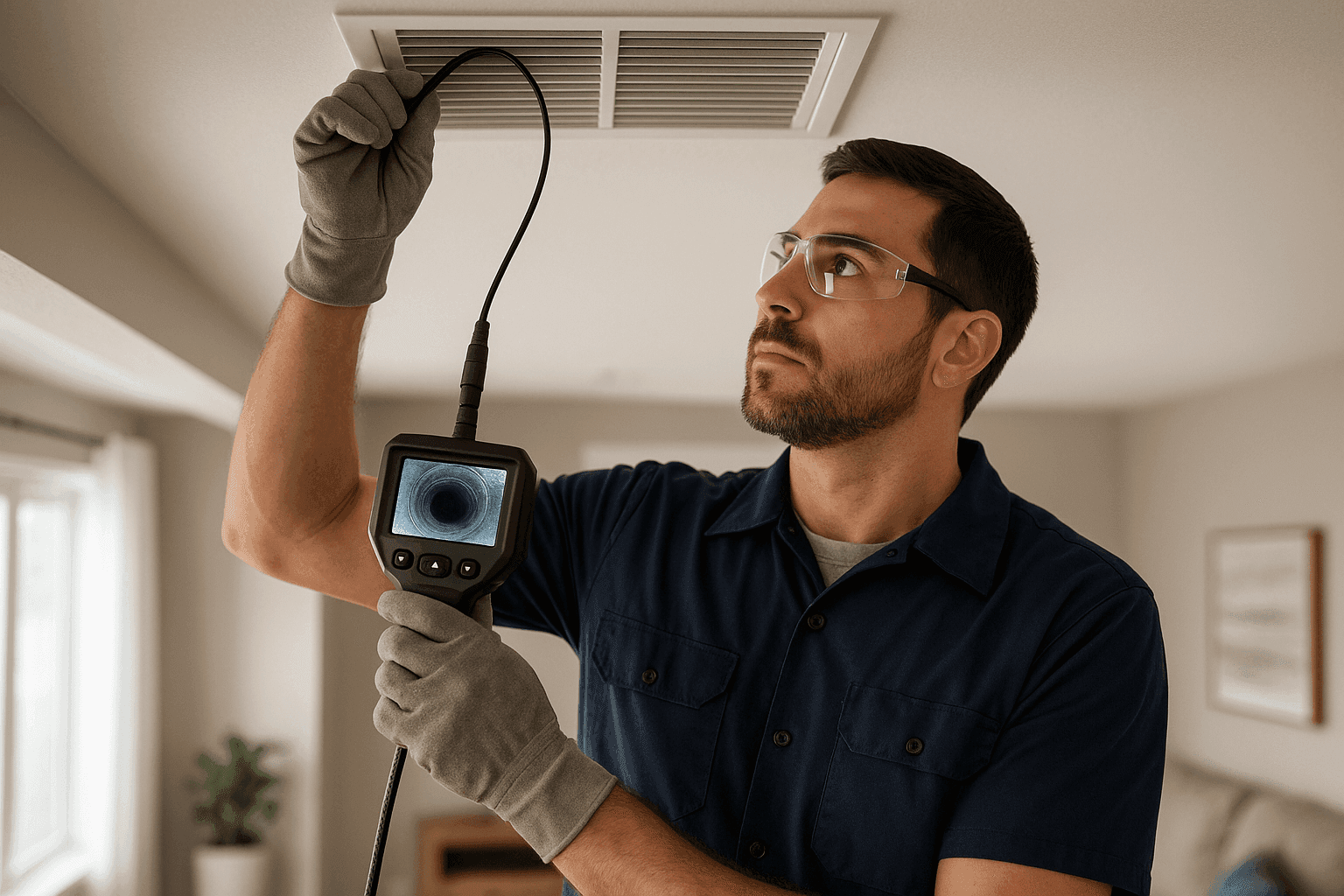
- Pre-inspection: Camera tools show you the inside of your ducts before (and after!) cleaning
- Sealed systems: Protects your home and prevents dust from escaping during cleaning
- HEPA-filtered vacuums: Capture fine particles, not just visible debris
- Safe, chemical-free methods: We only use EPA-approved sanitizers if mold is present
We’ll walk you through each step—no surprises, no hidden mess.
Before and After: Real-World Improvement
Imagine opening a closet that’s never been cleaned. You see dust, maybe even a spiderweb or two. Now imagine that’s the air your family is breathing. After a professional duct cleaning, you’ll see—sometimes literally—the difference. Many clients are surprised to see the before/after camera footage: gunk, insulation, pet hair, gone. Clean, open airways remain.
What the EPA and Industry Say
The EPA recommends duct cleaning if:
- There’s substantial visible mold growth inside ducts or other HVAC parts
- Ducts are infested with vermin (rodents or insects)
- Ducts are clogged with excessive dust, debris, or particles released into the home
NADCA (the main industry group) adds: Only hire certified pros who follow industry guidelines—never let someone cut corners with your home’s air.
Practical Tips for Homeowners
- Change HVAC filters every 1–3 months—don’t let them clog up!
- Keep supply and return vents clear of furniture, drapes, and dust.
- Watch for leaks or water damage near HVAC equipment and ducts.
- After renovations, schedule an inspection to check for debris.
- Consider a home energy audit to spot insulation or airflow issues.
When Duct Cleaning Adds Value—And When It Doesn’t
Adds value:
- After remodeling, water damage, or pest issues
- If you see, smell, or suspect mold or vermin
- Family members have allergy/asthma problems
Doesn’t add value:
- No visible dust, mold, or pests; clean filters; no unexplained health issues
Remember: Routine duct cleaning isn’t required for every home. If someone tells you otherwise, ask for proof.
Safety and Certification Checklist
- NADCA-certified technicians only
- Pre- and post-cleaning inspections
- Written report or photo evidence of work
- No harsh chemical treatments unless needed
- System properly sealed and protected during cleaning
Duct Cleaning: Not a DIY Job
Some chores are fine for the weekend warrior. Duct cleaning isn’t one of them. Why? Residential ductwork is often complex—full of twists, turns, and hidden nooks.
Why DIY Duct Cleaning Falls Short:
- Most consumer vacuums can’t reach deep inside ducts
- Risk of damaging flexible ductwork or joints
- May stir up more dust than you capture
Your time and lungs are worth more than a half-finished job. Leave this one to the certified emergency hvac pros.
What Pros Do On Arrival
- Review your concerns and inspect your system
- Use video cameras to check for dust, debris, mold, or pests
- Seal off supply and return vents to isolate the system
- Use high-powered vacuums and agitation tools to remove buildup
- Clean all registers, diffusers, coils, and fans as needed
- Provide before/after images or video for your peace of mind
Prevention & Maintenance
Think of duct cleaning as a reset—not a routine. Want to keep your system healthy between cleanings?
- Replace filters often: It’s like giving your system a fresh pair of lungs.
- Regular HVAC maintenance: Annual checkups catch small problems before they become big ones.
- Control humidity: Use dehumidifiers to keep mold at bay.
- Seal leaks: Gaps and cracks invite dust and pests.
Costs & Time Factors
The price and time for duct cleaning vary based on:
- The size of your home and number of vents
- The state of your ductwork (clogged or lightly soiled?)
- Accessibility (crawlspaces and attics take longer)
- The presence of mold or pests (special cleaning or sanitizing needed)
Most jobs take 2–5 hours for a typical home. Cost ranges depend on system size and any special issues.
Avoid “too good to be true” offers—trust certified pros who show you the results.
When It’s an Emergency ⚠️
Some duct issues can’t wait:
- Flood or water leak inside ductwork (risk of mold)
- Rodent infestation (droppings, dead animals, chewed insulation)
- Severe, sudden allergy or asthma reactions when the HVAC runs
- Smoke, burning, or chemical smells from vents
These call for fast action. Our emergency hvac team is available 24/7 for urgent duct inspections and cleaning.
FAQ: Duct Cleaning
Q: Will duct cleaning make my house dust-free?
A: No, but it can reduce dust if your ducts are heavily contaminated.
Q: How often should I have my ducts cleaned?
A: Only as needed—when there’s visible dust, mold, or pests, or after a major event like a renovation or water leak.
Q: Is duct cleaning safe for my HVAC system?
A: When done by certified professionals following industry guidelines, it’s safe and effective.
Q: Can I clean the ducts myself?
A: We don’t recommend it. Without the right equipment, you’ll only reach a fraction of the system, and may cause damage.
Local and Seasonal Considerations
In colder months, homes are sealed up tight—trapping more dust inside. If you notice more sneezing or stuffy air after turning on the heat, a duct check could help.
Allergy season can also trigger issues as pollen and outdoor dust cycle through your system. After a long, dusty summer or a wet spring, a professional inspection may be worthwhile—especially if you have kids, elderly, or sensitive family members at home.
Ready for a clear, honest opinion on your ducts?
Call Expert Heating Air Conditioning now — or reach us anytime at 877-719-5324 .